Hesiod

Hesiod is an AI research company in Switzerland. We study how neural networks process causal information in the real world.

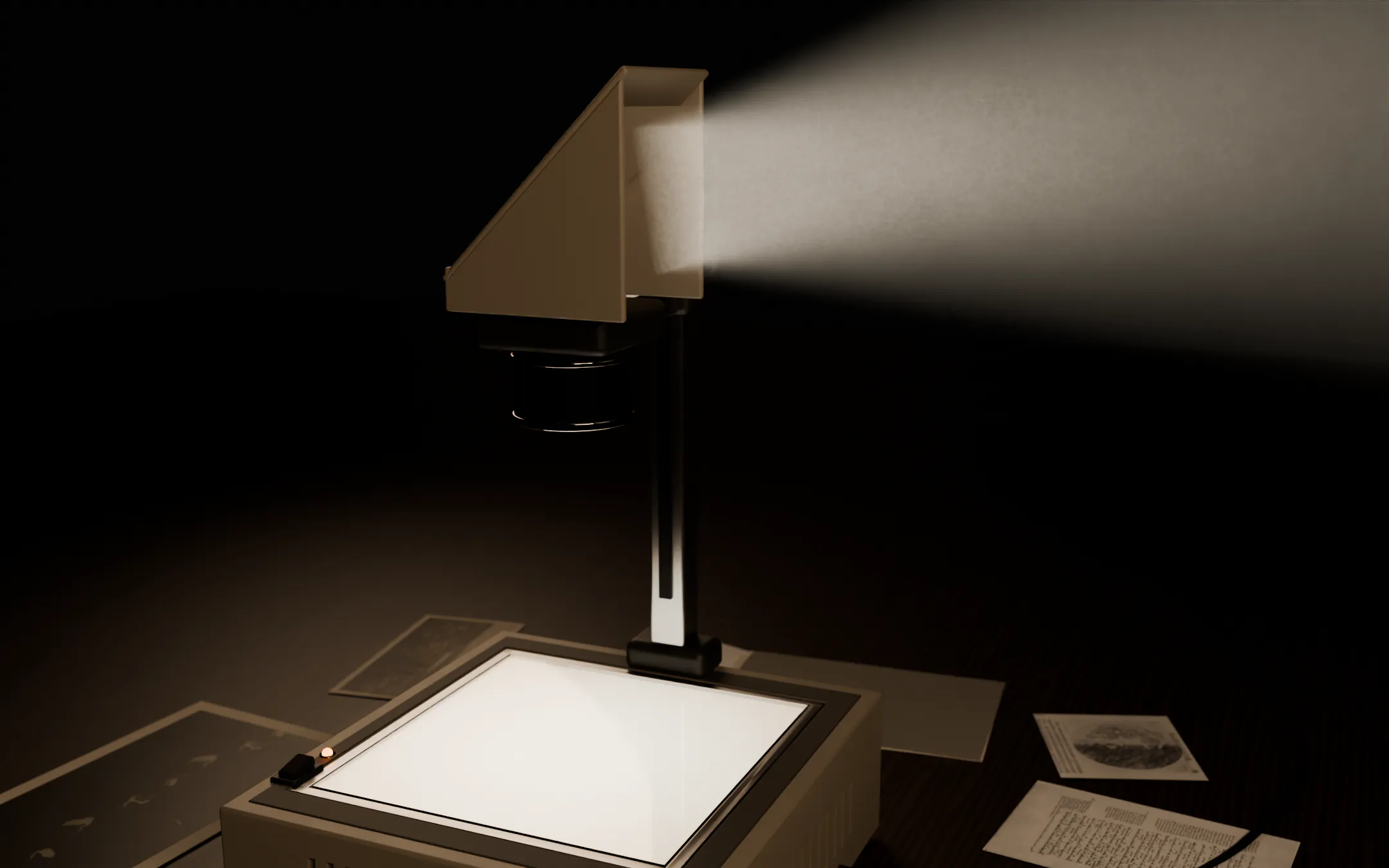
An overhead projector on a desk among scattered research prints, its lamp on and a beam of light leaving the mirror head
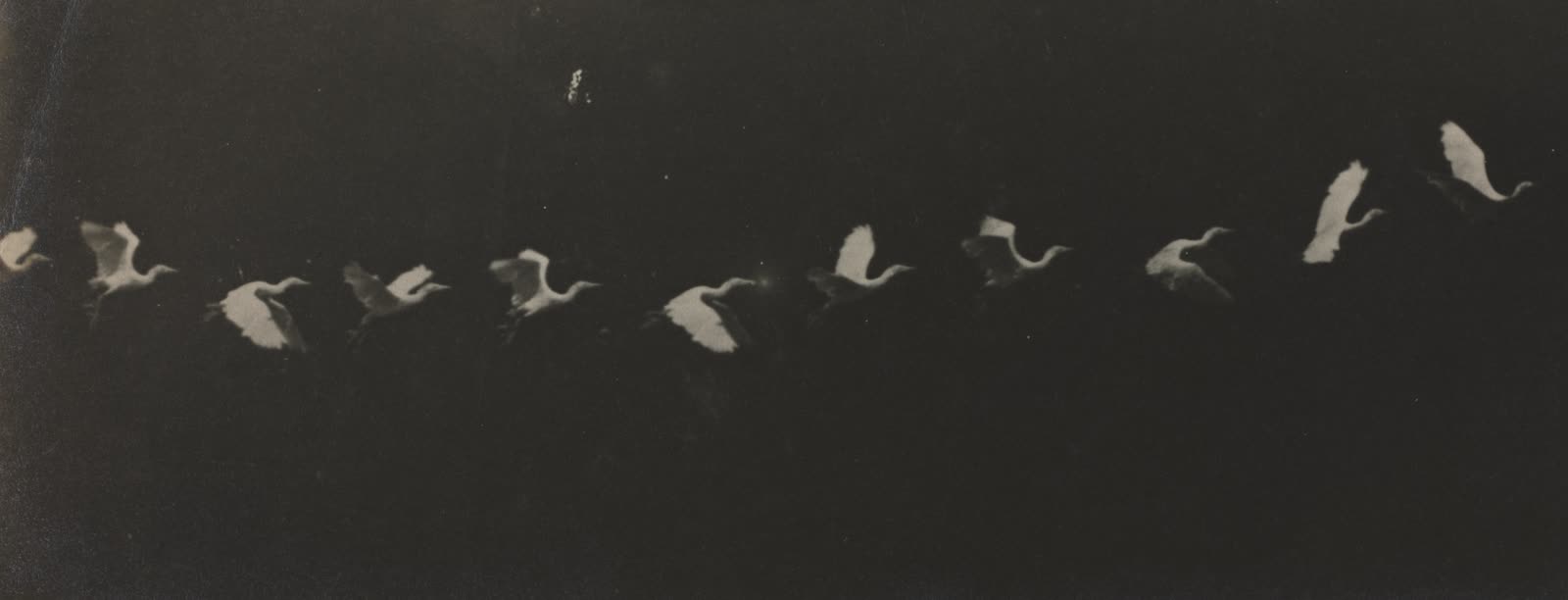
A heron in flight, recorded as a sequence of exposures on a single dark plate

We apply our research insights to real-time game systems while pursuing a deeper understanding of fundamental model behaviors. Our current focus is audio generation using text- and game-state-conditioned diffusion models, and an analysis of reasoning mechanisms and failures in vision-language models.

Étienne-Jules Marey, Chronophotograph of a Flying Heron, c. 1883–87.

Audio diffusion models

We develop latent diffusion models for video game audio generation. The system achieves two types of alignment: semantic alignment with text descriptions and temporal alignment with real-time video frame features. Through these alignments, we maintain long-horizon coherence over multi-second outputs.

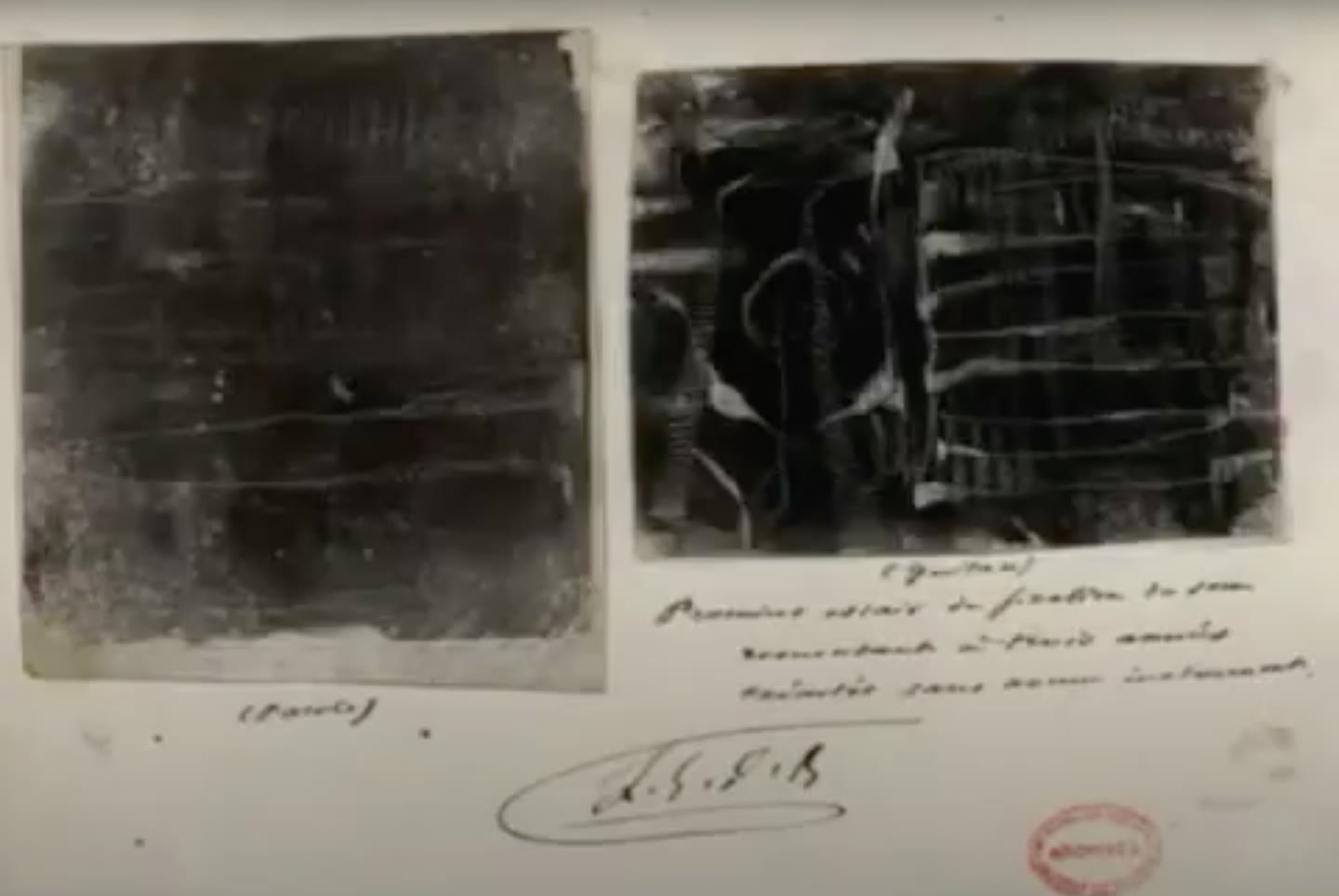
Two dark smoked-paper phonautograms with handwritten annotations

Édouard-Léon Scott de Martinville, phonautogram of notes played on a guitar by Adolphe Giacomelli, 1853–54.

The model serves as a complete audio companion for games, generating both immediate Foley effects and ongoing soundscapes. It creates context-aware sound effects for player actions while maintaining background audio and music that responds to the gameplay situation.

Our approach works across diverse genres, including RPGs, action-adventure, fast-paced FPS and racing games. Distillation-based sampling reduces the number of inference steps while preserving audio quality, enabling response times under 150 ms on consumer GPUs1.

1 RTX 30 and 40 series (RTX 3090, RTX 4090), for real-time local inference.

Game designers interested in validating and refining this approach are welcome to reach out. We will soon release an API for game developers to integrate the model into their development pipeline, and players will later get direct access to audio customization in supported games.

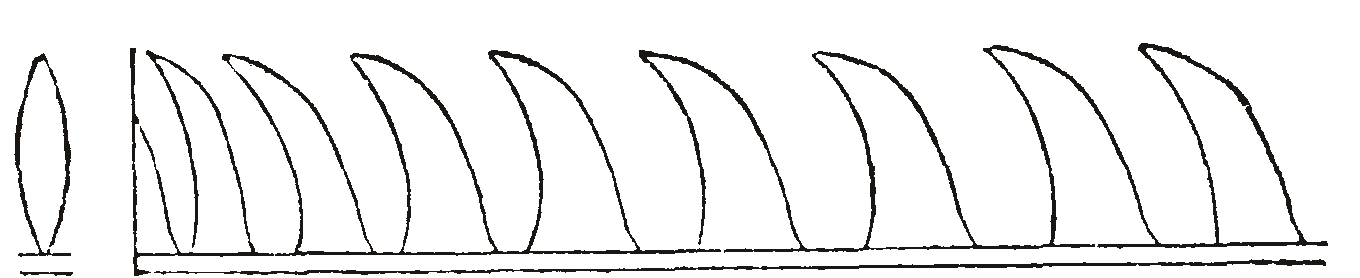
Line drawing of a row of flame shapes
Latency
~150 ms
GPU
CUDA 11.7+
RAM
16 GB
Stack
PyTorch, U-Net, ONNX

Rudolph Koenig's manometric flames. Nordisk familjebok, 1911.

Model input: video frames from the Godot Engine TPS Demo (MIT License). Text prompt: “tense ambient soundscape with subtle percussion and deep bass, building suspense.”
Model input: video frames from a text-to-video model (shared on X by @bilawalsidhu). Text prompt: “emotional and serious music with soft string plucking, deep drum rolls, and a quiet, echoing chant for a climactic moment.”

Vision-language model interpretability

We study reasoning capabilities and systematic failure modes in vision-language models. Current work focuses on sparse autoencoders for mechanistic interpretation of internal model representations, and on understanding emergent behaviors in multimodal reasoning.

Model scale
1B–7B parameters
Primary focus
Visual reasoning
Methods
Vision transformers, sparse autoencoders, activation analysis
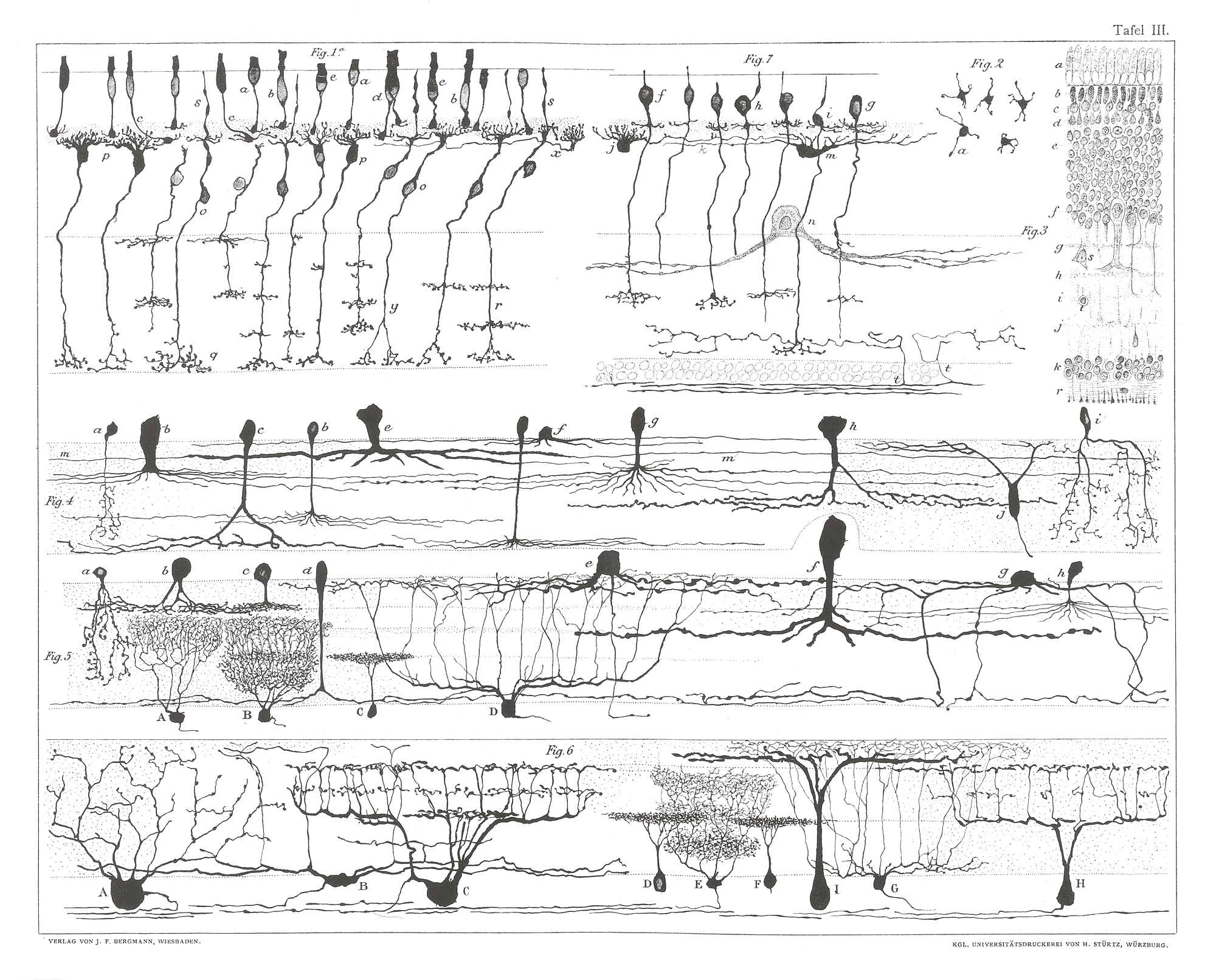
Plate of hand-drawn retinal neurons arranged in layers

Santiago Ramón y Cajal, drawing of the retina. Wellcome Collection, CC BY 4.0.

Research collaboration

We’re actively seeking collaborations in the following areas:

  • Audio generation and diffusion models for video game environments (adaptive soundscapes, NPC voice synthesis, combat audio systems)
  • Vision-language model interpretability and reasoning mechanisms
  • Representation learning

To get in touch, or write to us on X.

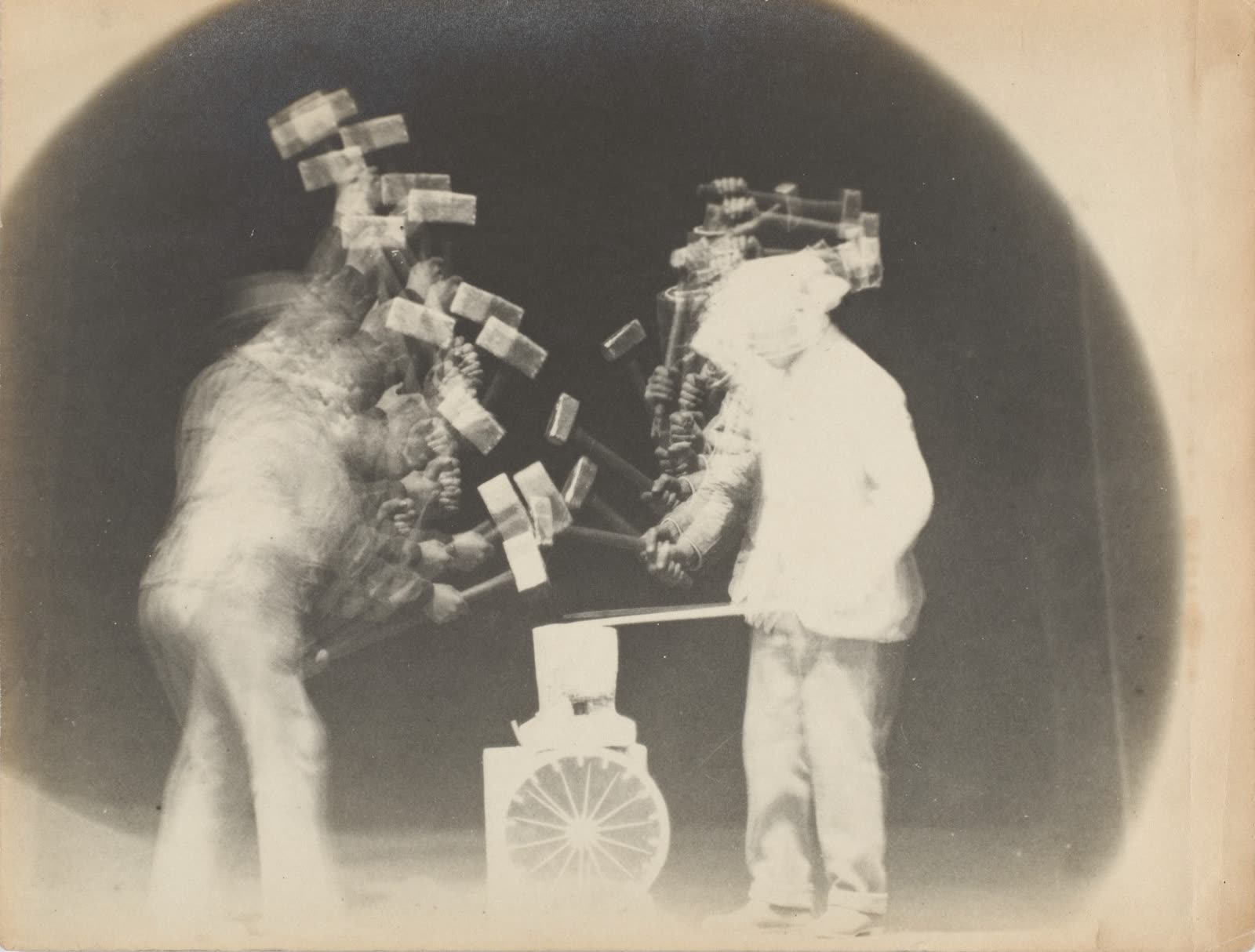
Two blacksmiths striking an anvil, their hammers multiplied by successive exposures

Étienne-Jules Marey and Charles Frémont, chronophotograph, 1894. The Metropolitan Museum of Art.

Research background

Hesiod continues the research of Muriz Serifovic on fundamental questions in machine learning theory. Over the past decade, this work has evolved from studying geometric properties of representation spaces to investigating emergent behaviors in large language models.

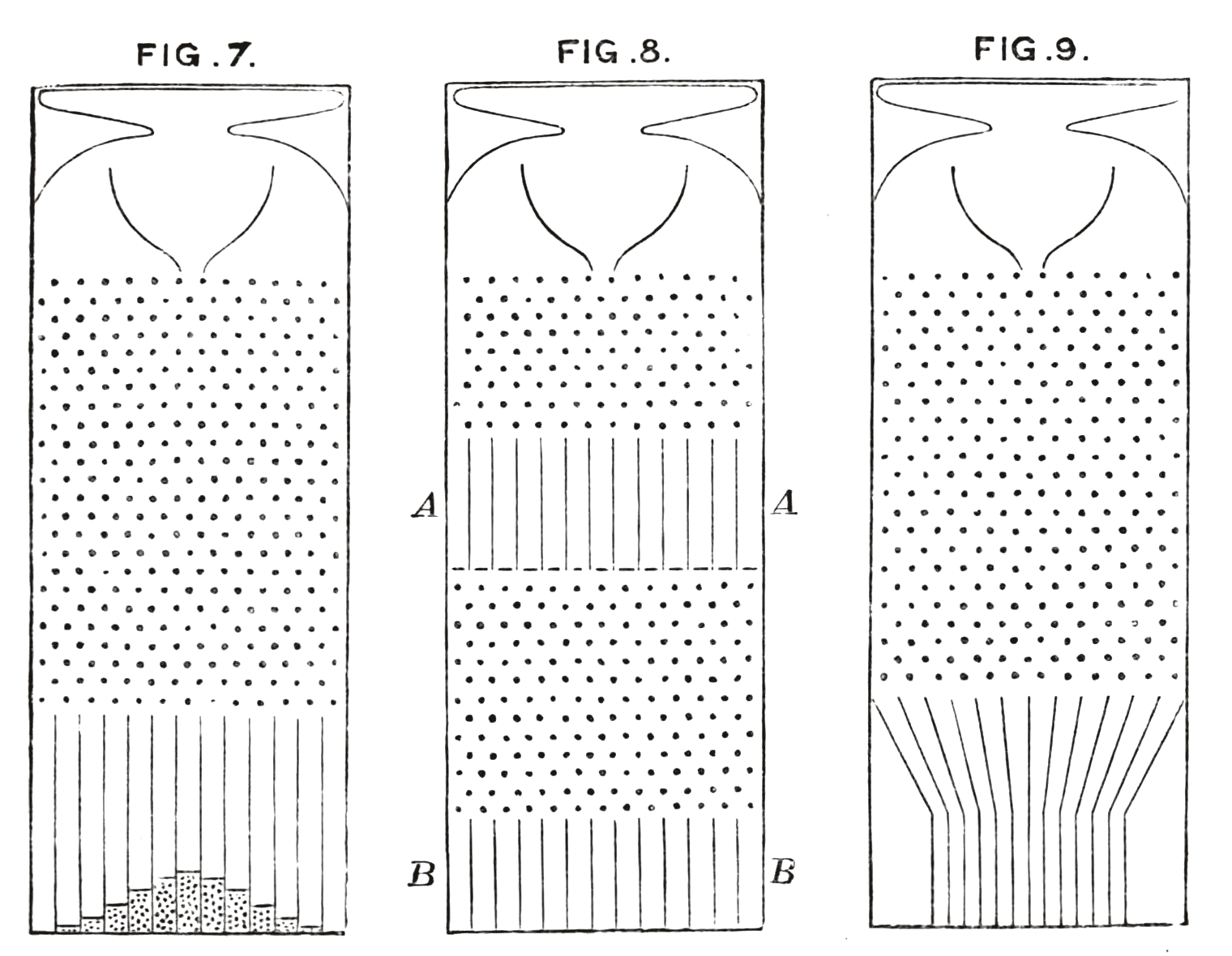
Three engraved diagrams of a board of pins through which falling shot collects into compartments

Francis Galton, Natural Inheritance, 1889, p. 63.

Current research focus, 2024–2025

Analysis of emergent capabilities in Transformer architectures through sparse autoencoders. How do reasoning capabilities emerge from lower-level features, and can we characterize this emergence mathematically?

Optimization theory, 2021–2023

Theoretical analysis of implicit regularization in deep learning, with focus on SGD dynamics and architecture-induced priors.

Semi-supervised learning, 2018–2020

Investigation of representation learning in high-dimensional spaces with limited labeled data. How can architectural priors enable sample-efficient learning in high-dimensional spaces?

Representation theory, 2015–2017

Formal analysis of disentanglement properties in deep neural networks, studying the geometric structure of learned manifolds and the role of regularization in shaping representation spaces.

Long-term vision

Upon securing sufficient funding, we aim to train a foundation model with deep spatial intelligence—understanding three-dimensional space, physical principles, and causal relationships. Our goal is to advance Switzerland’s position in creating AI systems that can genuinely reason about the physical world around us.

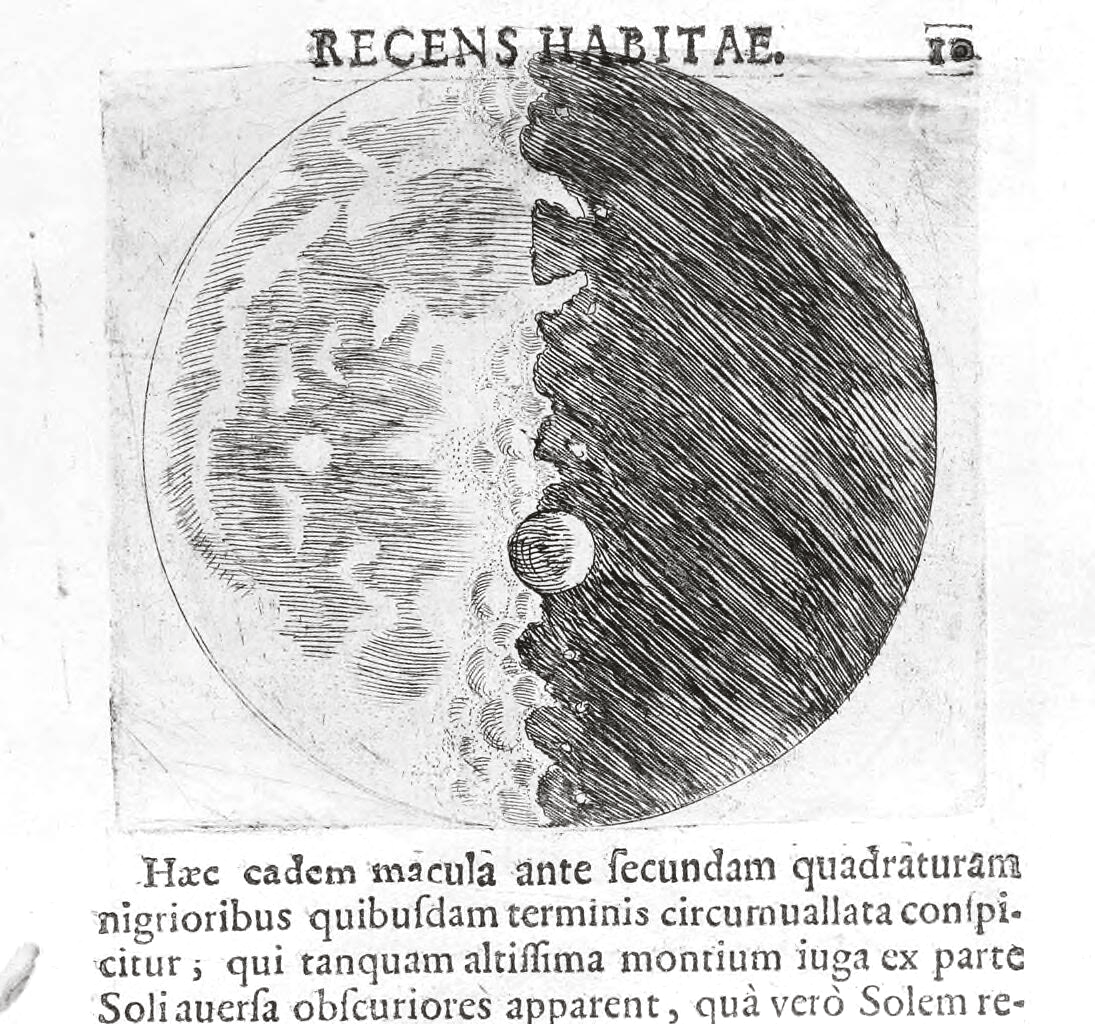
Etching of the half-lit Moon showing craters along the terminator

Galileo Galilei, Sidereus Nuncius, 1610. Observatoire de Paris.

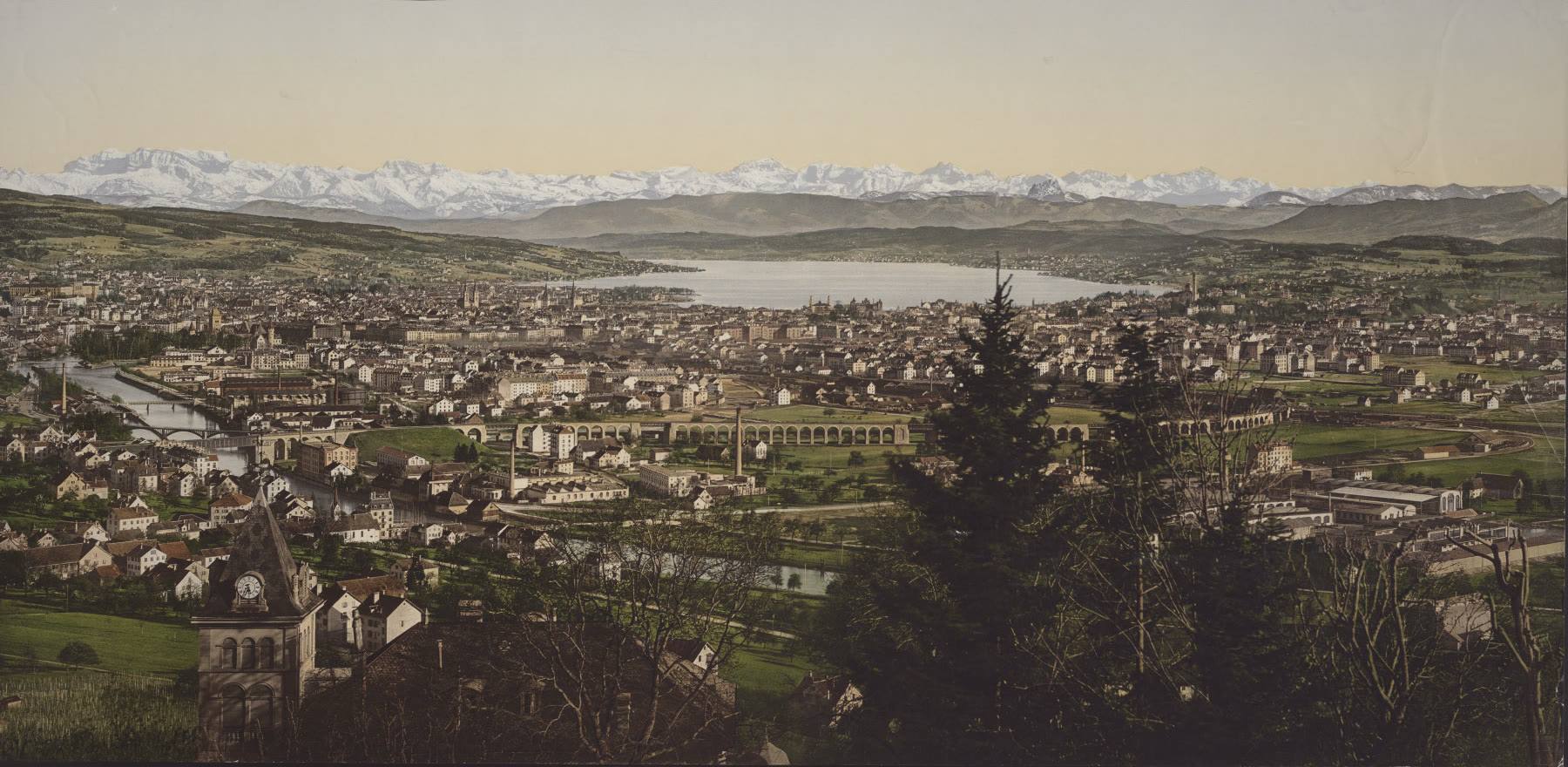
Colour-tinted panorama of Zürich with the lake and the Alps behind

Zürich

We work from Zürich, close to ETH Zürich, established research laboratories and an active machine learning community. Being in Switzerland allows us to maintain close ties with academic researchers while pursuing independent industrial research.

Zürich, photochrom, between 1891 and 1914. Zentralbibliothek Zürich.

Hesiod Technologies, Switzerland

On the desk: Étienne-Jules Marey, Chronophotograph of a Flying Heron, c. 1883–87; Hesiod, Theogony, Venice, Biblioteca Marciana, Gr. 464; and the images on the foils.